The National Museum of Anthropology: A Foundation of Understanding
Discover how Mexico City’s National Museum of Anthropology and nearby archaeological sites provide essential context for understanding ancient Mexico and Teotihuacan.
Travelers Roam
2/5/20263 min read
The National Museum of Anthropology: A Foundation of Understanding
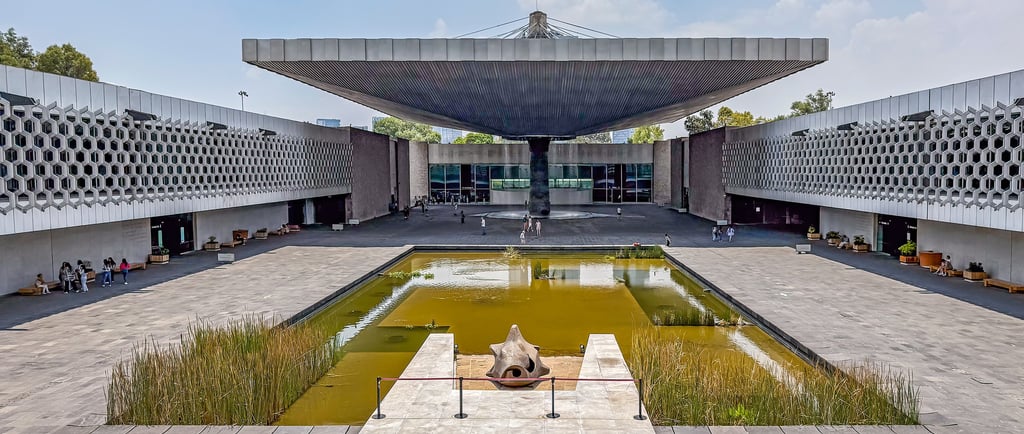
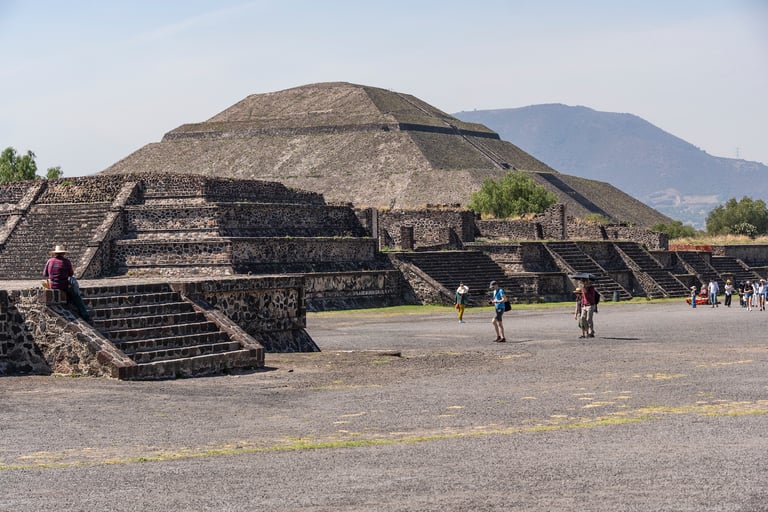
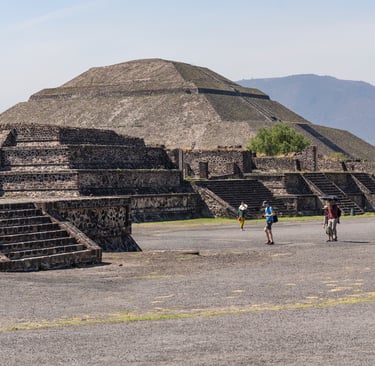
Mexico City is one of the most important places in the world for understanding ancient Mesoamerica, not because of a single site, but because of how history is layered, preserved, and interpreted. While places like Teotihuacan reveal the scale and ambition of ancient urban life, it is within the city’s museums that belief systems, symbolism, and daily life come into focus.
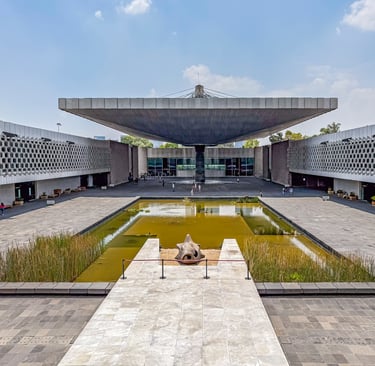
At the center of this understanding is the National Museum of Anthropology, a foundational stop for travelers seeking meaningful archaeological and cultural context.
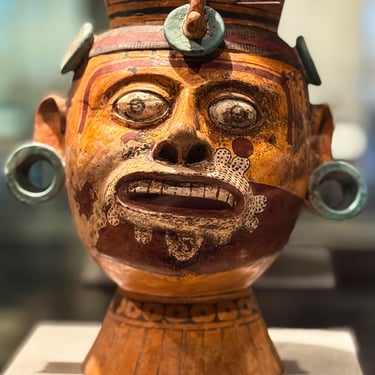
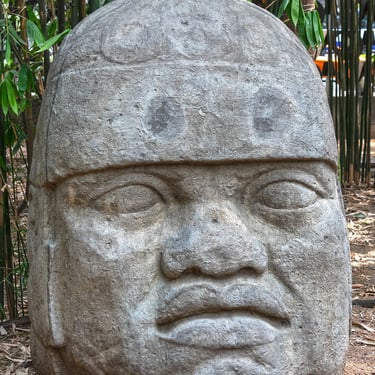
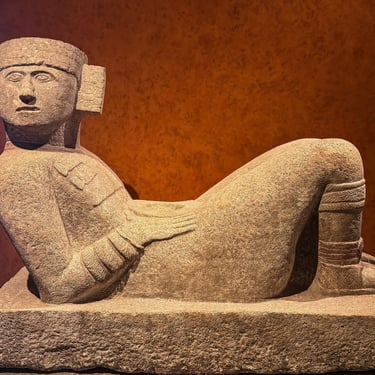
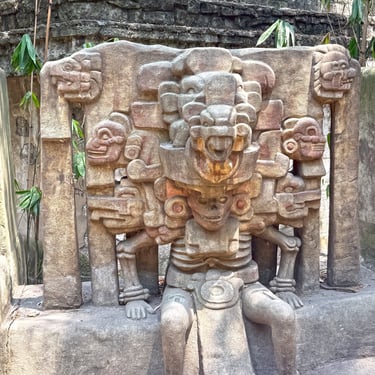
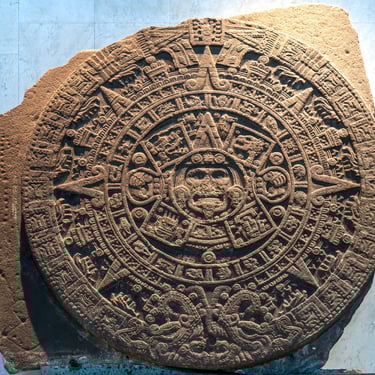
The National Museum of Anthropology houses one of the world’s most comprehensive collections of Mesoamerican artifacts. Its galleries provide essential insight into civilizations such as the Mexica (Aztec), Maya, and earlier cultures whose influence shaped central Mexico long before the arrival of Europeans.
Sculpture, ritual objects, murals, and architectural fragments reveal how cosmology, belief, and social organization informed everything from city planning to agriculture. For visitors heading to archaeological sites, the museum transforms stone and scale into narrative and meaning.
Templo Mayor and the Heart of Tenochtitlan
Steps from Mexico City’s main plaza lies the Templo Mayor, the ceremonial center of the Mexica capital of Tenochtitlan. Excavated beneath modern streets, the site makes clear that the contemporary city is built directly atop its ancient foundations.
Artifacts uncovered here help explain how the Mexica understood earlier civilizations, including Teotihuacan, which they viewed as a sacred place of origin rather than a ruined city. Visiting Templo Mayor reinforces the continuity between ancient belief systems and the living city that surrounds it.
The Monolith of Tlaloc: Moving a God
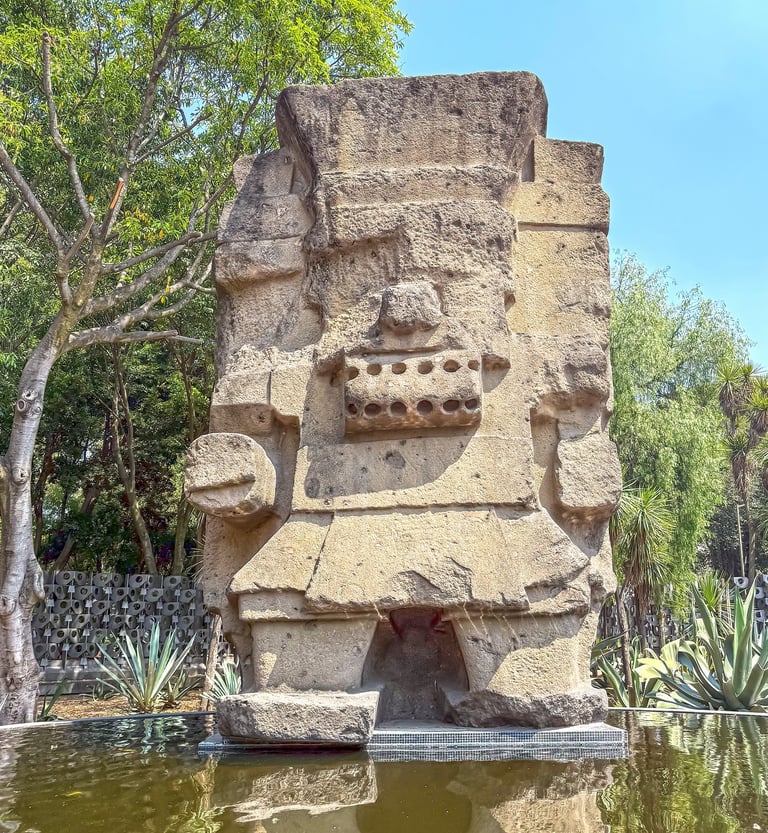
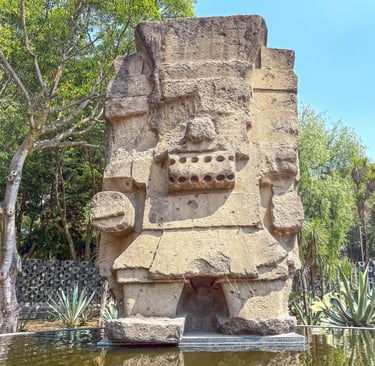
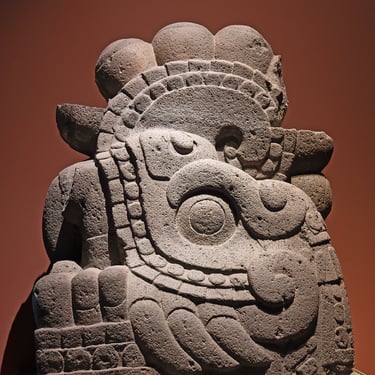
One of the museum’s most striking features is the monumental sculpture of Tlaloc, the rain deity associated with fertility and agriculture. The Monolith of Tlaloc originally stood near Teotihuacan before being transported to the museum in the twentieth century.
Its relocation was both an engineering feat and a cultural moment, underscoring how deeply ancient symbols remain woven into Mexico’s modern identity. Encountering the monolith within the museum context connects sacred landscape, belief, and preservation into a single narrative.
Archaeology in a Living City
Mexico City is not an archaeological destination frozen in time. It is a living cultural landscape where ancient traditions continue to influence contemporary life. Museums, neighborhoods, and historic districts collectively tell a story of adaptation rather than disappearance.
Understanding this continuity is essential for travelers who want more than isolated site visits. It explains why ancient imagery, rituals, and narratives still resonate so strongly today.
Food as Cultural Continuity
The city’s culinary scene offers another lens into the past. Staples such as maize, cacao, chilies, and beans formed the foundation of Aztec cuisine and continue to shape Mexican food today. Markets, street vendors, and restaurants reflect foodways that predate European contact by centuries.
You can experience the Mexico City food scene many different ways, there are excellent and safe food cart options, find a Michelin star restaurant for fine dining, take a food tour or a cooking class is great option!
How Museums Deepen a Visit to Teotihuacan
Visiting the National Museum of Anthropology before or after exploring Teotihuacan dramatically enhances understanding. Artifacts and interpretive exhibits clarify how the city functioned, what its imagery represented, and why later cultures revered it.
For travelers interested in archaeology, museums are not detours. They are preparation.
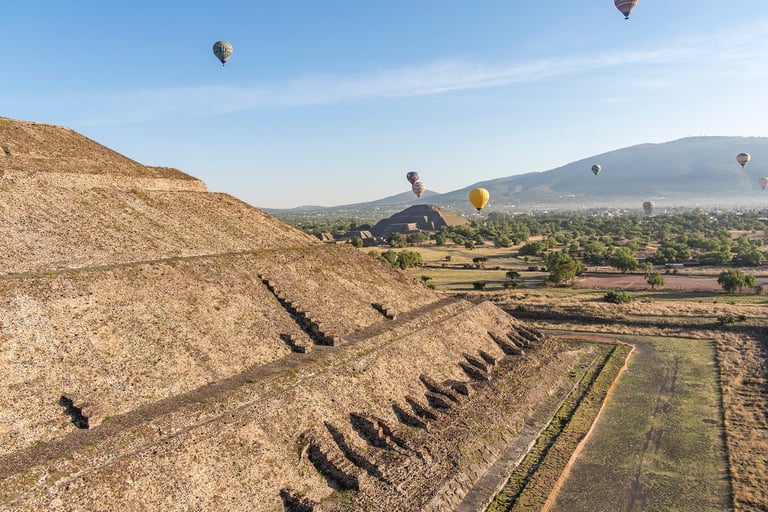
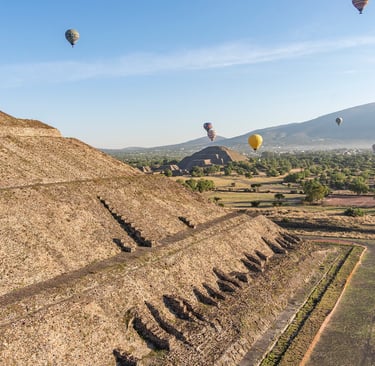
For a "Elevated" experience, I highly recommend a hot air balloon tour combined with a walking tour of Teotihuacan
Closing Reflection
Mexico City offers one of the most complete frameworks in the world for understanding ancient civilizations. Through its museums, ruins, food culture, and living traditions, the city reveals how the past continues to inform the present.
Approached thoughtfully, it becomes more than a gateway to nearby archaeological sites. It becomes an essential part of the story.




About the Author
Rick Brazil is a travel advisor specializing in archaeological, cultural, and regenerative travel. He designs small group and private journeys that prioritize historical context, local insight, and thoughtful exploration of ancient places.
Please note links have been added to assist you in finding professional, vetted tour operators to make your experience more special.


Contact
Lets Get Social
+1-949-880-8237
rick@travelersroam.com
© 2026 Travelers Roam | Archaeological & Regenerative Small-Group Travel. An Independent Affiliate of A. S. A. P. Cruises Inc., Florida Seller of Travel No. FST ST15578 – California Seller of Travel No. 2090937-5 Washington UBID No 603189022